Remove Stains and Odors from Every Tap
Water Treatment in Blakeslee & Brodheadsville, PA, for well water with hardness, discoloration, or recurring odor
Magnus Mechanical installs water treatment systems for homeowners in Blakeslee and Brodheadsville, PA, who rely on private wells and notice recurring problems with how their water looks, smells, or performs. You turn on the faucet and see rust-colored staining on sinks, smell sulfur when filling the kettle, or find mineral buildup clogging aerators and coating fixtures faster than you can clean them.
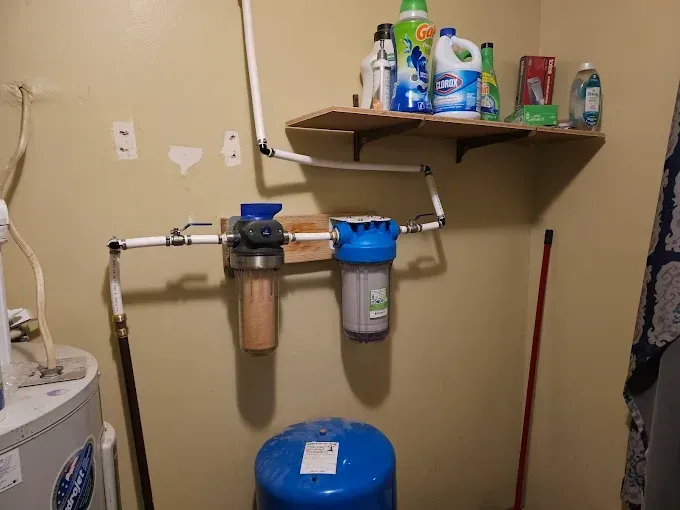
Water treatment addresses these issues at the source by removing hardness minerals, neutralizing odors, and filtering out sediment and contaminants before they reach your plumbing or appliances. The installation involves evaluating your current water quality, selecting a system matched to the specific issues your well produces, and mounting filtration or conditioning equipment at the main water line where it treats every gallon entering the home. In the Pocono region where well water chemistry varies widely from property to property, this assessment determines whether you need softening, carbon filtration, sediment removal, or a combination of treatment stages.
If your well water is affecting laundry, dishes, or the lifespan of your water heater, a system assessment can clarify which treatment approach will address the issues you notice most.
How Whole-Home Filtration Changes Daily Water Use
You start with a water test that identifies the minerals, metals, and organic compounds present in your well. This data guides the choice between ion exchange softeners that remove calcium and magnesium, activated carbon filters that eliminate chlorine taste and odor, or oxidation systems that treat iron and sulfur compounds. Magnus Mechanical uses manufacturer-backed equipment sized to your household flow rate and installs it on the main supply line after the pressure tank, ensuring treated water reaches every fixture.
After the system is running, you notice soap lathering more easily, no new staining on porcelain or glass, and clearer water from every tap. Appliances like dishwashers and washing machines operate without scale buildup on heating elements, and your water heater maintains efficiency without sediment accumulating at the bottom of the tank. These changes show up in how laundry feels, how quickly fixtures stay clean, and how long plumbing components last before needing replacement.
Installation includes connecting the treatment unit to power if required, setting bypass valves for maintenance access, and programming regeneration cycles on softeners to match your water usage patterns. The system operates automatically once configured, though you will need to add salt to softeners periodically or replace filter cartridges based on the manufacturer's schedule. Treatment does not alter the water pressure you feel at fixtures, and backwash cycles are timed to occur during low-demand periods to avoid interruption..
Questions About Water Treatment for Private Wells
Homeowners in Blakeslee and Brodheadsville, PA, often ask similar questions about how treatment systems work and what results they should expect once a system is installed and operating.
How do you know which treatment system fits a specific well?
A water test reveals the contaminants and mineral levels present, and the treatment system is selected based on those results. If your water contains high iron, an oxidation filter is added before softening stages to prevent fouling.
What changes after a whole-home system is installed?
You stop seeing rust stains on sinks and toilets, soap and shampoo rinse off more completely, and appliances that heat water last longer without scale buildup. Water from every tap is treated the same way.
When do filters or media need replacement?
Sediment filters typically require replacement every three to six months depending on water clarity, while carbon filters and softener resin last longer but still follow manufacturer service intervals. Magnus Mechanical provides guidance on the maintenance schedule during installation.
Why does well water in the Poconos vary so much between properties?
Geology and aquifer depth influence mineral content, so neighboring wells can produce water with different hardness levels, iron concentrations, or pH. Treatment is tailored to what your specific well delivers.
What happens if the system needs service or adjustment?
Bypass valves allow you to isolate the treatment unit without shutting off water to the home, and most systems include diagnostics that indicate when regeneration cycles or filter changes are due.
If your well water is leaving visible stains, shortening the life of appliances, or producing odors that linger after running the tap, a treatment system assessment with Magnus Mechanical can identify the filtration and conditioning stages needed to resolve those issues and protect your plumbing long-term.